The Ultimate Overview to Understanding Home Appliance Fixing in the house
When your fridge stops cooling down or your oven declines to heat, it can feel frustrating. Understanding device fixing in the house can conserve you money and time. You'll learn to recognize symptoms, use essential tools, and follow a methodical troubleshooting procedure. Prior to you begin, there are crucial safety preventative measures you need to take into account. What are one of the most common problems, and just how can you fix them? Let's check out the fundamentals.
Usual Appliance Troubles and Their Signs and symptoms
When your appliances start acting up, it's crucial to identify the signs early. Ignoring them can lead to larger concerns and costly repair work. If your refrigerator isn't cooling appropriately, you could observe cozy spots or condensation creating. This could show a falling short compressor or a blocked vent.Your dishwasher may show problems through unclean meals or unusual noises during cycles. If you hear grinding or clanking, it's time to investigate.A cleaning machine that won't spin or drain pipes can leave you with soggy washing, suggesting a clogged drain or a malfunctioning pump.Lastly, if your oven's temperature appears off or it takes for life to preheat, you could be handling a faulty thermostat. By remaining sharp to these symptoms, you can resolve concerns prior to they intensify into significant repair services.
Crucial Devices for Appliance Fixing
When you're dealing with device repair work at home, having the right devices is necessary. Fundamental hand tools like screwdrivers and pliers will help you take apart and deal with various appliances, while electrical testing tools ensure you're working safely with electrical wiring. Allow's go over what you require to get going on your repair journey.
Standard Hand Tools
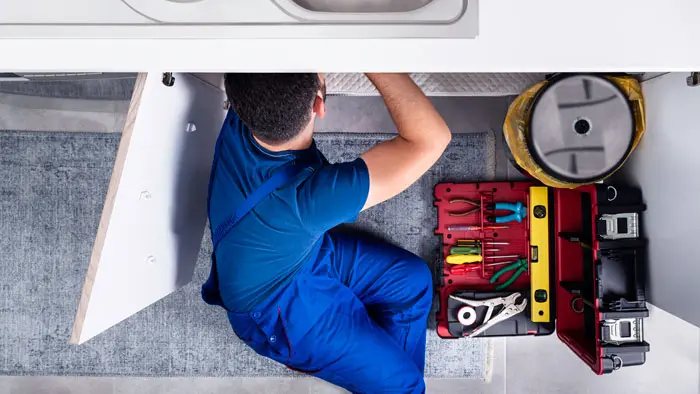
Having the right tools is necessary for efficient home appliance repair work in the house. Beginning with a reliable screwdriver collection, consisting of both flathead and Phillips types, as screws are common in home appliance setting up. Pliers are additionally vital; they assist with gripping, turning, and cutting cables or little components. A pair of needle-nose pliers can get to difficult situations conveniently. You'll need a good flexible wrench for tightening up or loosening up nuts and screws. An energy blade is handy for puncturing packaging or insulation. Don't fail to remember a tough workbench or surface to safely organize your tools and parts. With these basic hand devices, you'll be well-prepared to deal with most appliance fixings that come your means.
Electric Screening Gadgets
Alongside fundamental hand devices, electrical testing gadgets play an important function in appliance fixing. These tools aid you diagnose electric concerns and warranty devices operate safely. A multimeter is important; it determines voltage, existing, and resistance, permitting you to pinpoint issues quickly. A non-contact voltage tester is one more must-have, allowing you identify live cords without making direct contact, improving your security. Secure meters are wonderful for gauging existing flow in cables without disconnecting them, conserving you time and initiative. Additionally, circuit testers can promptly inspect if electrical outlets are operating correctly. By using these tools, you'll enhance your troubleshooting process and improve your fixing skills, making appliance upkeep a great deal much easier.
Step-by-Step Overview to Diagnosing Device Issues
When your device breaks down, it can be irritating, yet diagnosing the problem does not need to be frustrating. You'll find out to recognize typical issues and use efficient repairing techniques. Allow's go through the actions to get your device back in functioning order.
Usual Home Appliance Issues
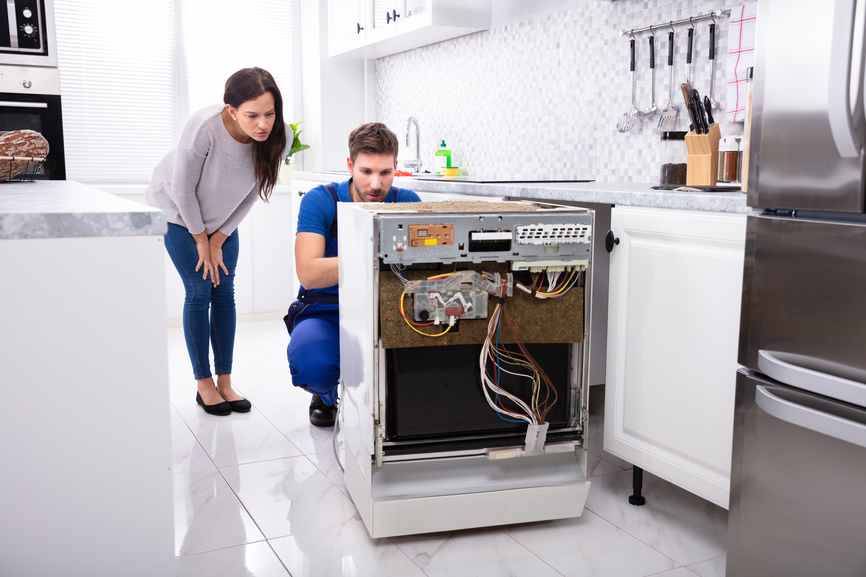
Repairing Techniques Discussed

Fixing Significant Kitchen Area Devices: A Closer Look
Have you ever questioned how to deal with usual concerns with your cooking area appliances? Repairing major cooking area devices like refrigerators, stoves, and dishwashers can be easier than you think. Begin by identifying the problem-- whether it's a fridge not cooling or an oven that will not heat. Frequently, an easy reset or examining the source of power can fix the issue.For fridges, tidy the condenser coils and examine the door seals. If your stove's not home heating, examine the home why not check here heating component and thermostat. Dishwashing machines may just need a clean filter or a reset to get them back in activity. Constantly disconnect the home appliance prior to diving into repairs to assure your safety.Don' t forget to consult the individual handbook for particular repairing ideas associated with your model. With a little persistence and the right devices, you can confidently deal with home appliance repair work and save cash in the procedure!
Troubleshooting Washing Equipments: Tips and Techniques
When your washing devices begin breaking down, it can feel overwhelming, yet troubleshooting them does not have to be a problem. Start by inspecting the power supply. Confirm the home appliance is connected in and the outlet is operating. Next off, evaluate the door or lid button; a malfunctioning button can prevent the equipment from operating.For washing machines, if it's not rotating, look for out of balance tons. Rearranging the clothing might solve the issue. If your dryer isn't heating, clean the dust filter and examine the vent for blockages.Listen for unusual noises; they can show a trouble. If your device is leaking, check the pipes for splits or loosened links. Record any type of error codes displayed on electronic displays, as they can guide you in recognizing the concern. Ultimately, get in touch with the individual manual for certain repairing ideas connected to your version.
Safety And Security Preventative Measures to Take During Repair works
Before you start any type of device repair work, it's important to focus on security to avoid accidents or injuries. Disconnect the home appliance or turn off the circuit breaker to ensure no power reaches it while you function. Usage protected devices to minimize the risk of electric shock. Use safety goggles and gloves to secure on your own from sharp sides or debris (Washer dryer repair service Dependable Refrigeration).Make particular your work space is tidy and well-lit, so you can see what you're doing. Maintain kids and animals away from the area to prevent interruptions and prospective risks. If you're taking care of gas appliances, be added cautious; look for leakages before proceeding.Take your time, and do not rush through repair work. If you really feel uncertain regarding any type of action, it's much better to stop and research study than to guess. Complying with these preventative measures will aid produce a safer atmosphere for your DIY home appliance repair service job
When to Call a Specialist for Assistance
Just how do you recognize if it's time to call an expert for appliance repairs? If you've tried fundamental troubleshooting without success, it's a clear indication. If your appliance still won't begin or shows uncommon noises after resetting it, do not hesitate to seek professional help.When you notice leakages, smoke, or melting scents, prioritize safety and call a pro promptly. These concerns can result in even more significant damage or posture risks to your home.Also, if your device is under guarantee, contacting an expert is usually the most effective route. They can ensure that repair services won't nullify have a peek at this website your warranty, conserving you cash in the lengthy run.Finally, if you're uncertain or unpleasant with intricate repair work, it's important to leave it to the professionals. Remember, taking on challenging concerns without the appropriate knowledge can bring about pricey blunders. Count on a specialist when doubtful!
Frequently Asked Questions
Just How Can I Prevent Device Issues in the Future?
To stop device issues in the future, you ought to perform normal maintenance, look for damage, tidy filters, and prevent overloading. Remaining proactive will assist expand their life-span and keep them running efficiently.
What Are the Many Typical Do It Yourself Device Repair Work Mistakes?
You could ignore safety and security preventative measures, miss fixing steps, or use inaccurate tools when attempting DIY device repair work. Hurrying the process or overlooking maker guidelines can lead to more significant problems and expensive blunders. Keep client and educated!
How Do I Know if a Component Requirements Replacement?
You can inform if a part needs replacement by looking for uncommon sounds, leaks, or inconsistent performance. If the device battles to run correctly or shows noticeable damage, it's likely time for a replacement.
Can I Use Generic Parts for Device Repairs?
Yes, you can make use of common parts for home appliance repair services, however establish they're suitable - Washer dryer repair service Dependable Refrigeration. Common parts could save you money, but they could influence performance or long life, so evaluate your alternatives carefully prior to making a decision
What Service Warranties Cover Device Repair Works?
The majority of home appliance service warranties cover repair work for manufacturing flaws, however they commonly leave out damages from misuse. Check your guarantee terms thoroughly, as some could need making use of certified service technicians and initial parts for coverage to stay legitimate.